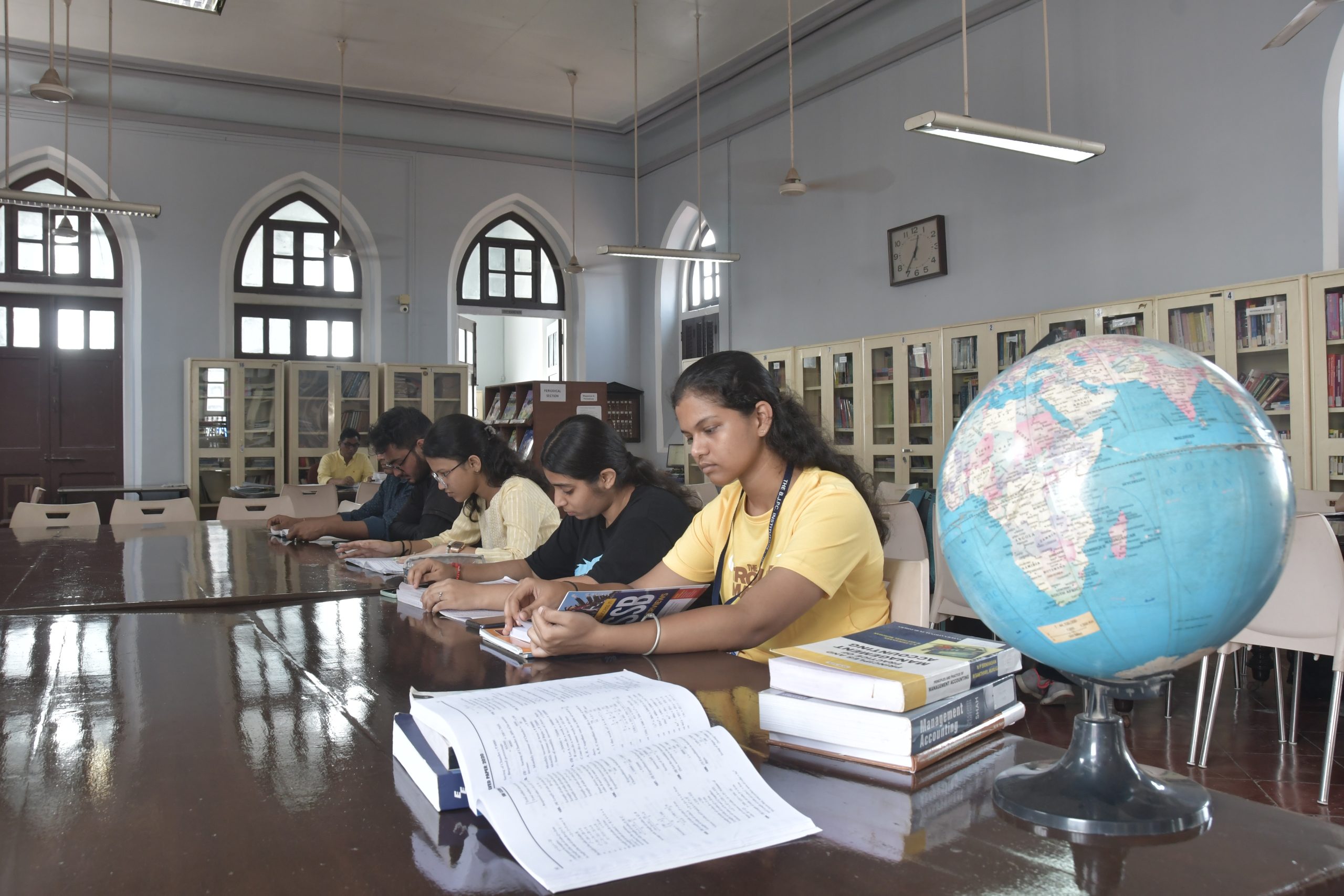
Ask most people what an Arts stream student does all week, and you may get a fairly predictable answer: reading, writing and preparing for exams. But take a closer look at the experience, and that picture changes quickly. An Arts student moves through subjects that ask very different questions. History explores the forces that shaped the past. Psychology looks at thoughts, emotions and behaviour. Economics connects classroom concepts with everyday decisions, while Sociology encourages students to understand people, communities and society. So, an Arts student’s week is not simply about finishing chapters. It is about learning to look at familiar things from a different angle.
History Is Not Just About Dates
A History lesson can begin with an event in a textbook and lead to much bigger questions: Why did it happen? What caused it? What changed afterwards?
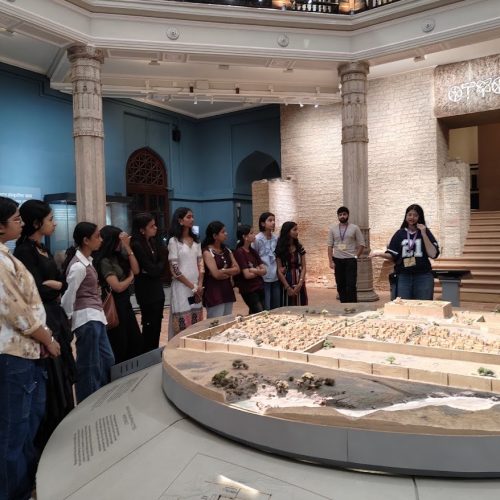
That curiosity becomes even stronger when students experience history outside the classroom. Std XI students from The BJPC Institution and Junior College recently went on “A Walk Through History” at the Chhatrapati Shivaji Maharaj Vastu Sangrahalaya. Walking through a museum and encountering historical collections gives students a different connection with the past. Instead of only reading about history, they get to experience it through objects, stories and visual evidence.
Psychology Makes Students Look Closer
For an Arts Stream student, Psychology brings the focus from the world around us to the people within it. Students explore how thoughts, emotions and experiences influence behaviour. They begin noticing how differently people can respond to similar situations and learn to look beyond the obvious. This makes Psychology more than another subject to study. It encourages observation, reflection and a deeper understanding of human behaviour.
Economics Connects With Everyday Life
Then there is Economics, a subject that is already present in everyday life, even when we do not realise it. Prices, choices, resources, markets and financial decisions all have an impact on how people and businesses operate. Studying these concepts helps students understand the reasons behind economic situations instead of simply memorising definitions. It is a subject that constantly asks students to think: What is happening? Why is it happening? And what could happen next?
What Makes the Arts Stream More Than Textbooks?
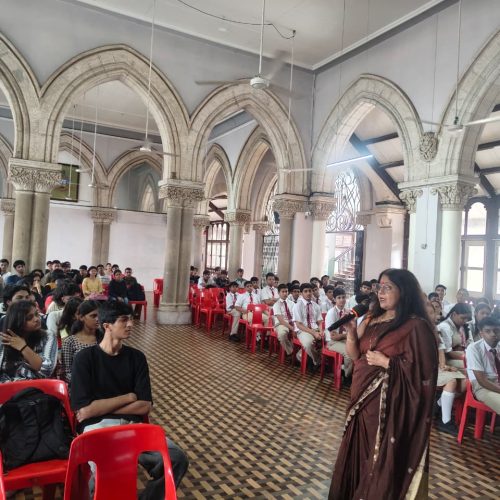
An Arts education is also about developing abilities that cannot be measured through written answers alone. Students at The BJPC Institution and Junior College have participated in a Life Skills Workshop, allowing them to focus on practical abilities that support personal growth and everyday decision-making.
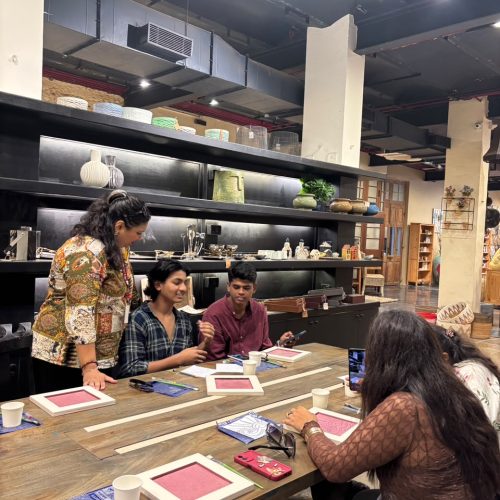
They have also taken part in a Mosaic Art Workshop, where creativity became part of the learning experience. Working with patterns, colours and materials gave students a different way to experiment, create and express themselves. These experiences add another dimension to academic learning. They encourage students to develop creativity, communication, confidence and awareness alongside their subject knowledge.
What Two Years Can Build
Over two years, an Arts student is building more than examination preparation. History develops perspective. Psychology encourages observation. Economics strengthens analytical thinking. Sociology builds awareness of society, while language learning helps students communicate their ideas effectively. Add museum visits, life skills and creative workshops to that experience, and students get opportunities to learn in different ways.
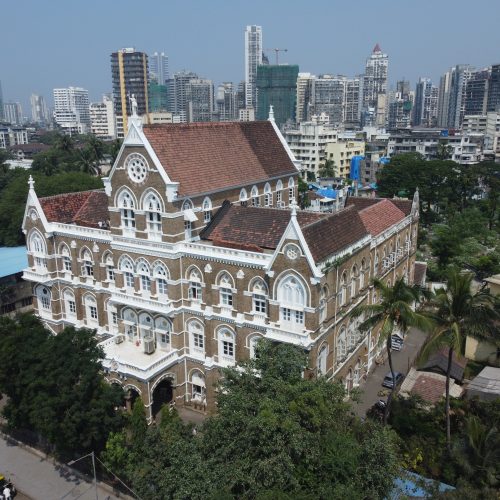
This is what the Arts Stream at The BJPC Institution & Junior College brings together. As part of its Junior College programme, students study subjects such as History, Economics, Psychology and Sociology while also taking part in experiences that extend learning beyond the conventional classroom. So, what does an Arts student actually do all week? They read. They question. They analyse. They experience. They create. And somewhere between the classroom, the museum, the workshop and the world outside, they begin to understand that Arts is not about studying less, but about learning to see more.