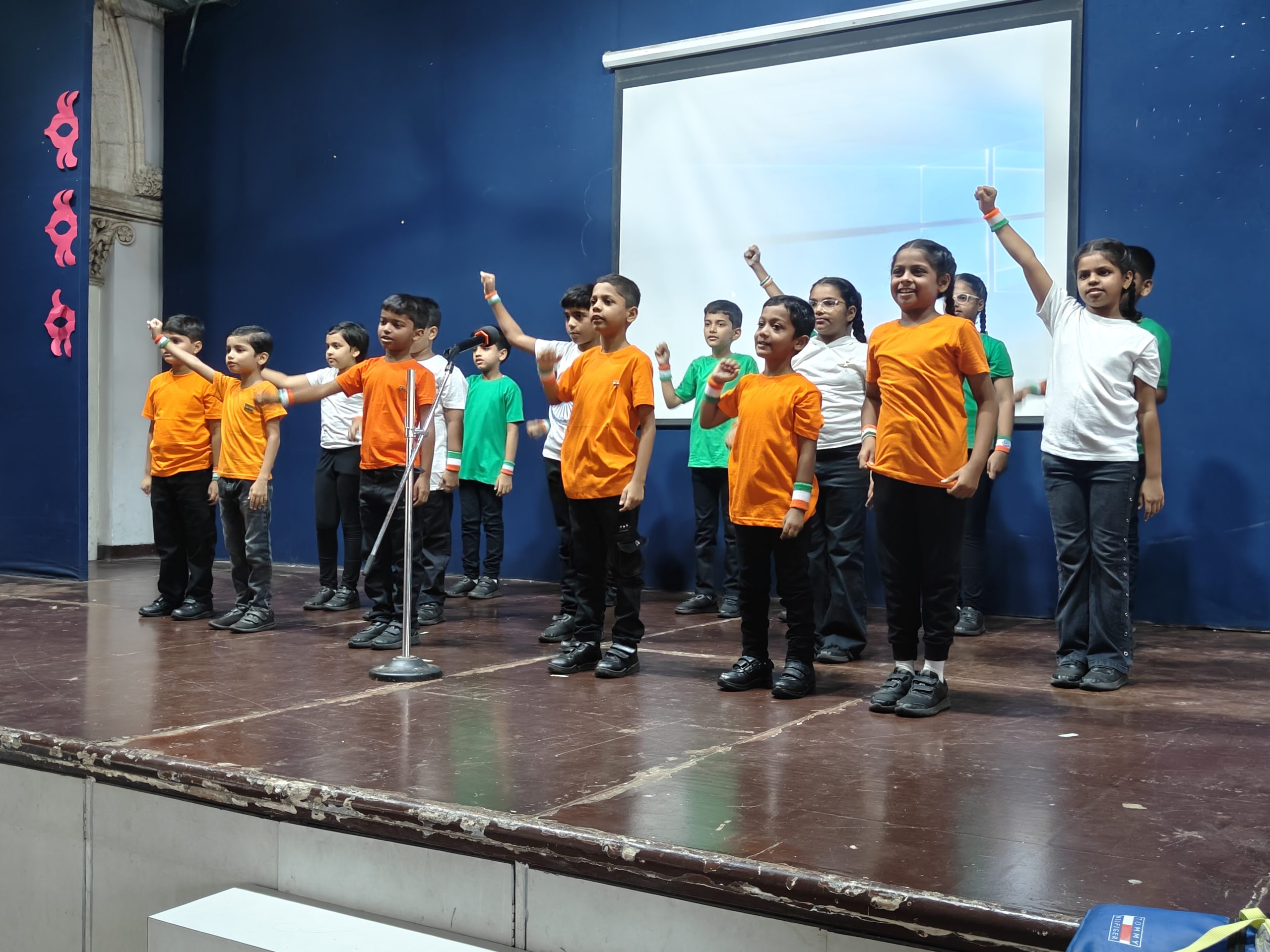
Every year, schools celebrate Independence Day with flag hoisting, patriotic songs, and cultural programmes. These traditions remind us of our nation’s journey. But ask a student today what freedom means to them, and the answer may look nothing like what it meant to their parents, or their grandparents, at the same age. A student in 2026 grows up with more access, more voice, and more choice than any generation before them, in the classroom and far beyond it. So, it’s worth asking what Independence Day means to today’s kids.
Freedom to Be Curious
A student today does not have to wait for a teacher to have time, or a parent to know the answer. A question in class can be looked up the moment they get home, sometimes with an AI chatbot answering before anyone else even hears it was asked. Curiosity used to depend on someone else being available to answer it. Now it does not. Freedom here means not having every answer handed over, and not needing anyone’s permission or timing to keep asking and keep looking until the question actually gets answered. This is what Independence Day looks like in a classroom today freedom from waiting for someone else to have the answer.
Freedom to Carve Your Own Journey
A student used to become whatever their parents wished: an engineer, a doctor, or a scientist.
Today, a student can watch a young creator build a career out of gaming, art, or a sport that didn’t even have a name a decade ago. They no longer have to choose from the paths their parents happened to notice. They can choose from what’s actually out there now. Freedom here means not needing to follow the one path that used to look safe, but having the range to find the one that actually fits, whatever that turns out to be. This too is a kind of Independence Day, freedom from a single, predetermined path.
Freedom to Be Online, Responsibly
A previous generation grew up with a shared television in the living room, or a computer in a common space, mostly within someone’s line of sight. A student today carries a phone that doesn’t come with adult supervision built in.
Every day, students decide what to watch, what to share, and what to believe, often when no one else is watching. That is a level of choice no earlier generation had at this age.
Freedom here means the choice is genuinely theirs, not a rule enforced by someone watching over them.
Freedom to Be Themselves Among Others
An earlier generation mostly had one set of friends: the ones who lived nearby, or sat in the same classroom. If that group didn’t accept who they were, there wasn’t much choice beyond it. Today, a student can look further: A hobby community online, or a group built around a shared interest.
This doesn’t mean every space is accepting, or that difficult moments disappear. But it does mean a student has more chances to find people who accept them, instead of being limited to whoever happens to be around. Freedom here means having a choice in who you spend time with, not just making do with proximity.
Freedom to Have a Voice
An earlier generation could raise a hand in class, or write a letter to a newspaper that may or may not get printed. Reaching more than a small circle of people took time, or luck, or permission from someone else.
A student today can post an opinion, a video, or an idea, and have it seen by people far beyond their own classroom or city, sometimes within minutes. No one needs to approve it first. Freedom here means having reach that an earlier generation didn’t have at this age. With that reach comes a new question worth asking: what is worth saying, and who might be listening?
A Thought from The BJPC Institution
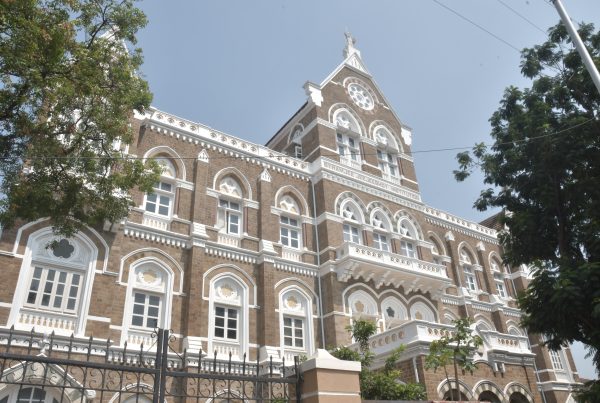
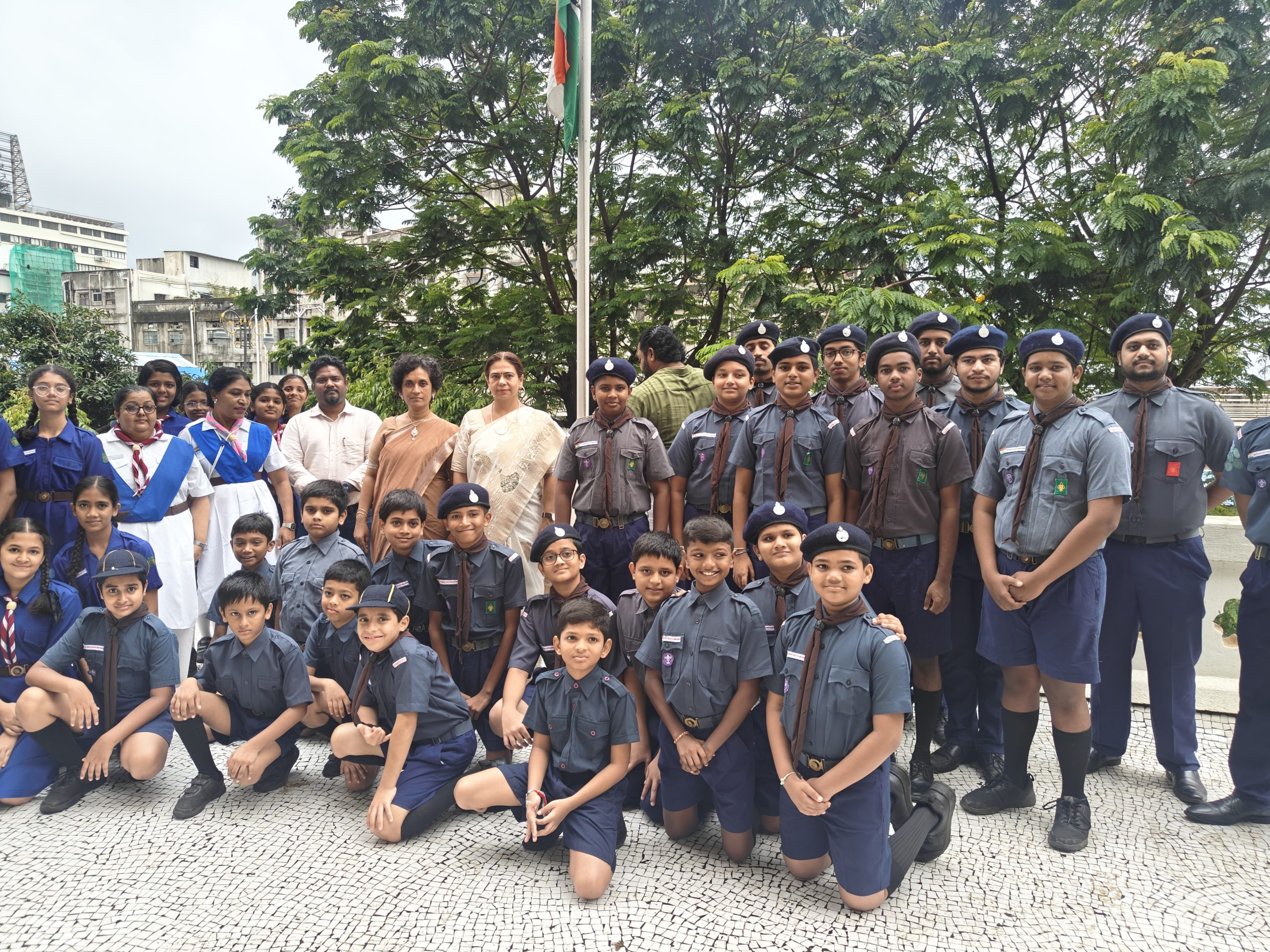
Independence Day carries more than the memory of history. At The BJPC Institution, we see it as a reminder of what today’s students are learning to do with their own freedom: to question, to choose their own path, to be known rather than hidden, to use judgement online, and to use their voice well.
That is what education means to us: not just remembering how freedom was won, but helping students understand what to do with it now.