
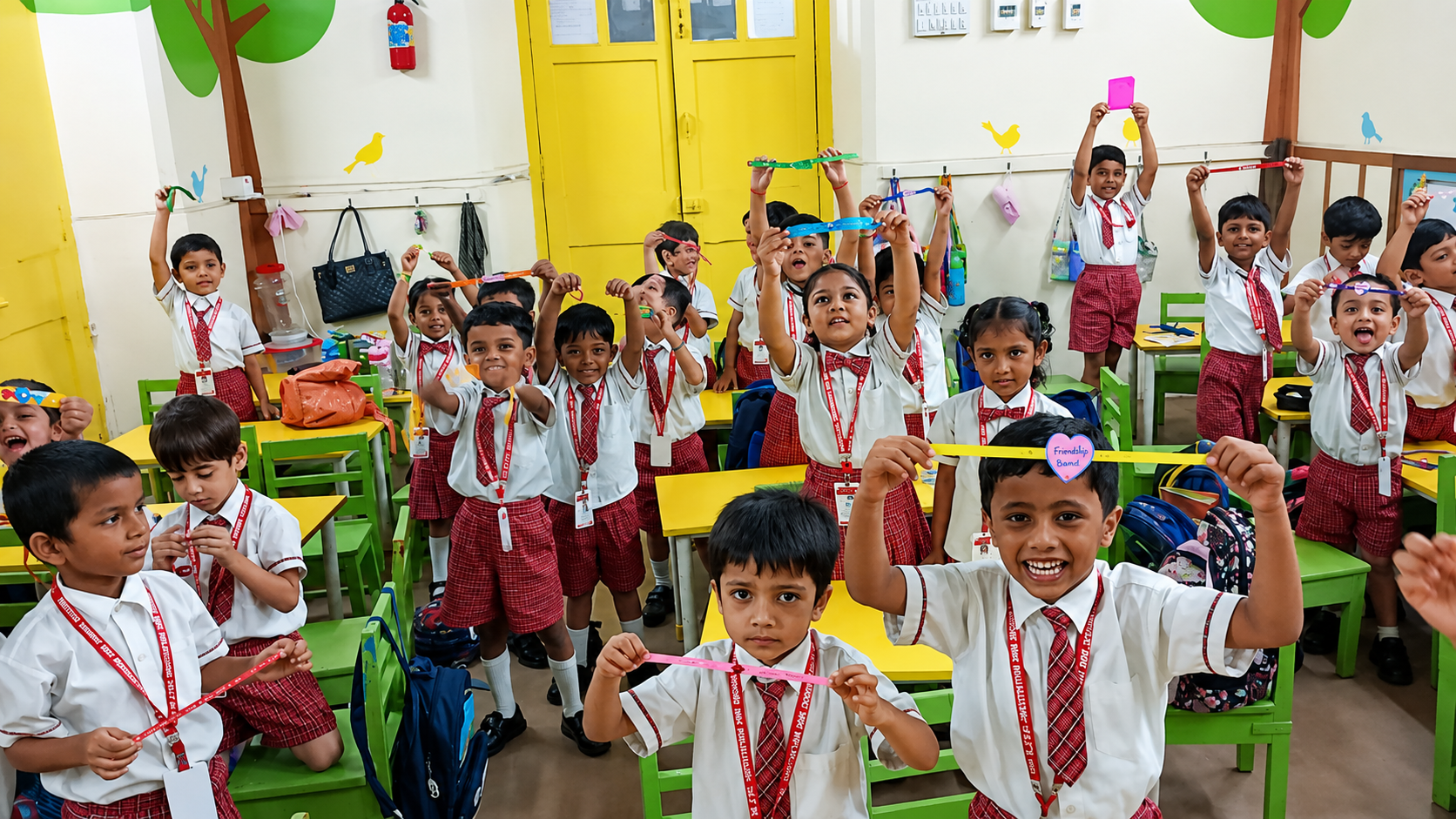
Many pre-primary schools describe their approach as "play-based learning." The phrase appears on websites, brochures, and admission pages, yet many parents are left wondering what it actually means.
Does play-based learning simply mean children spend their day playing? Is there enough learning involved? How does it help prepare children for future school experiences?
The answer is simple: for young children, play is one of the most natural and effective ways to learn. Rather than separating learning from play, a well-designed pre-primary programme combines the two, helping children develop important skills while remaining engaged and curious.
Why Play Matters in Early Childhood
Children between the ages of 2 and 6 learn differently from older students. They understand the world by exploring, observing, asking questions, experimenting, and interacting with others.
While older students may learn through textbooks and lectures, young children learn best through experiences. Every activity becomes an opportunity to discover something new.
This is why play is considered an important part of early childhood education. Through play, children develop communication skills, social awareness, confidence, creativity, and problem-solving abilities that form the foundation for future learning.
Play-Based Learning Is Not the Same as Free Play
One of the biggest misconceptions about play-based learning is that children are simply left to play without structure or guidance.
In reality, there is a significant difference between free play and play-based learning.
Free Play allows children to explore independently and make their own choices.
Play-Based Learning involves carefully planned activities designed by educators to help children achieve specific learning outcomes while still enjoying the experience.
Children may feel they are simply playing, but teachers are intentionally creating opportunities for learning through the activities, materials, and interactions they provide.
What Learning Through Play Looks Like Inside the Classroom
Play-based learning often looks very different from traditional classroom instruction, but learning is happening throughout the day.
For example, when children build a tower using blocks, they are not only having fun. They are learning how to solve problems, understand shapes and balance, communicate with others, and persist when something doesn't work the first time.
During storytelling sessions, children listen, imagine, predict outcomes, and express their thoughts. These activities strengthen vocabulary, comprehension, memory, and communication skills.
Role-play activities such as pretending to run a shop, visit a doctor, or prepare a meal help children understand social situations, practise conversations, and build confidence.
Even simple activities like sorting objects, matching colours, or completing puzzles help children develop concentration, observation skills, and logical thinking.
The activity may look like play, but the learning behind it is purposeful.
The Skills Children Develop Through Play
One of the greatest strengths of play-based learning is that it supports multiple areas of development at the same time.
How Play-Based Learning Is Structured at Kids Kastle
At Kids Kastle, play is thoughtfully integrated into the daily routine to create meaningful learning experiences.
The day begins with an Initial Circle, where greetings, songs, and group discussions help children develop confidence, communication skills, and a sense of belonging.
During Structured Learning, children are introduced to concepts through interactive activities, storytelling, games, and hands-on exploration. Learning is designed to be engaging and age-appropriate, encouraging active participation rather than passive observation.
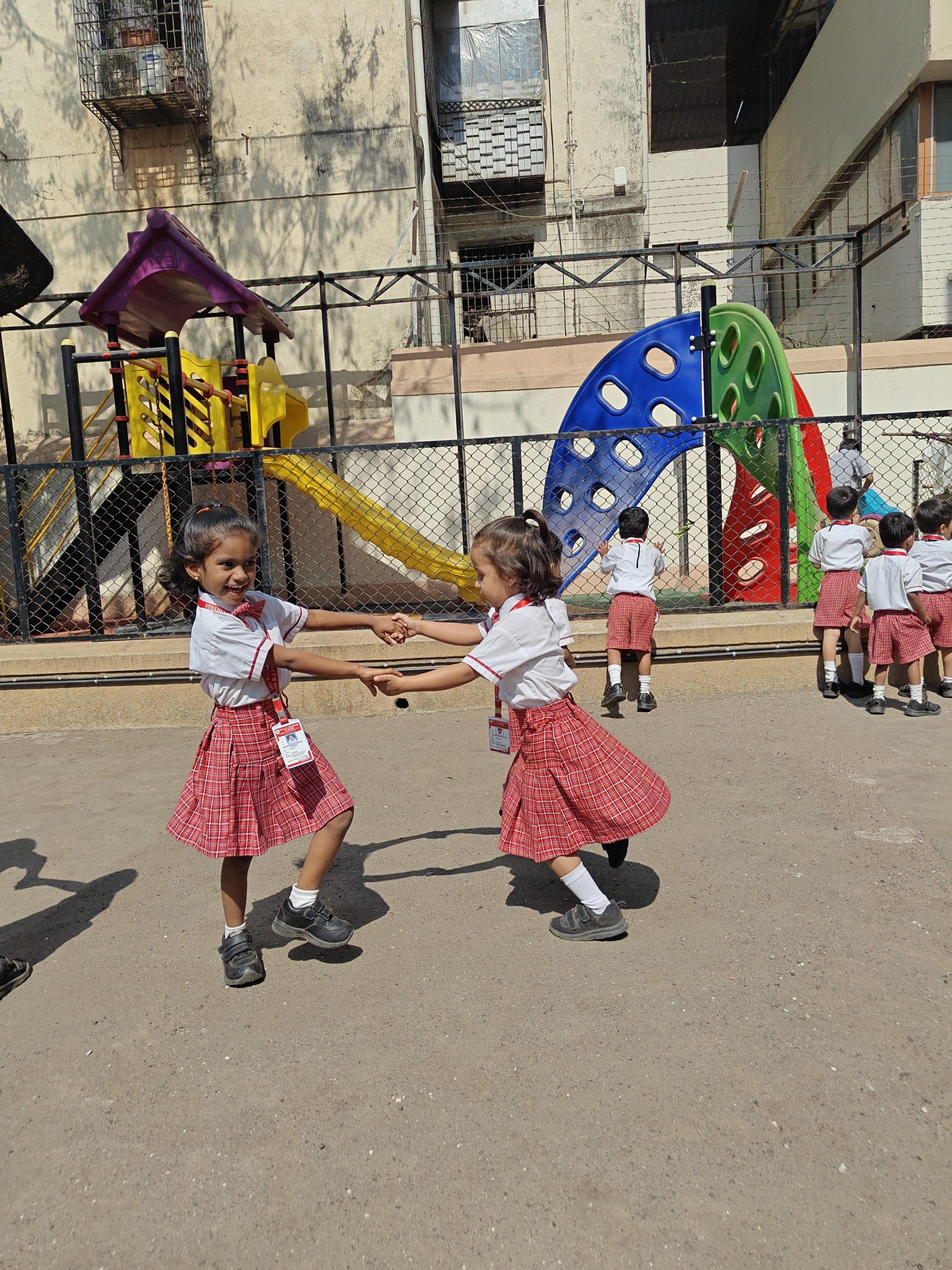
The routine also includes Snack and Outdoor Play, which support physical development, social interaction, and healthy habits.
Through Creative Activities such as art, craft, music, drama, and storytelling, children are encouraged to express themselves, explore their imagination, and build confidence.
The day concludes with a Circle and Goodbye session, giving children an opportunity to reflect on their experiences, share their thoughts, and end the day positively.
This balance of structure, creativity, and exploration helps children remain engaged while developing important life skills.
Why This Approach Supports Future Learning
The goal of play-based learning is not simply to keep children occupied. It is to create meaningful learning experiences that encourage curiosity, independence, confidence, and a positive attitude towards education.
While older students may learn through textbooks and lectures, young children learn best through experiences. Every activity becomes an opportunity to discover something new.
When children are given opportunities to explore, participate, communicate, and solve problems through everyday activities, they develop skills that support future academic and personal growth.
Most importantly, they begin to see learning as something enjoyable rather than something they are required to do.
See Play-Based Learning in Action
Play-based learning is often best understood when experienced firsthand.
At Kids Kastle, every activity is designed with a purpose, helping children learn through exploration, interaction, creativity, and guided discovery.
Parents are encouraged to visit the campus, observe the learning environment, and see how play becomes a meaningful tool for growth and development.
Admissions Open. Contact Kids Kastle at The BJPC Institution to schedule a visit and discover how play-based learning helps young learners build confidence, curiosity, and a lifelong love for learning.