What does “good over evil” actually look like in a classroom?
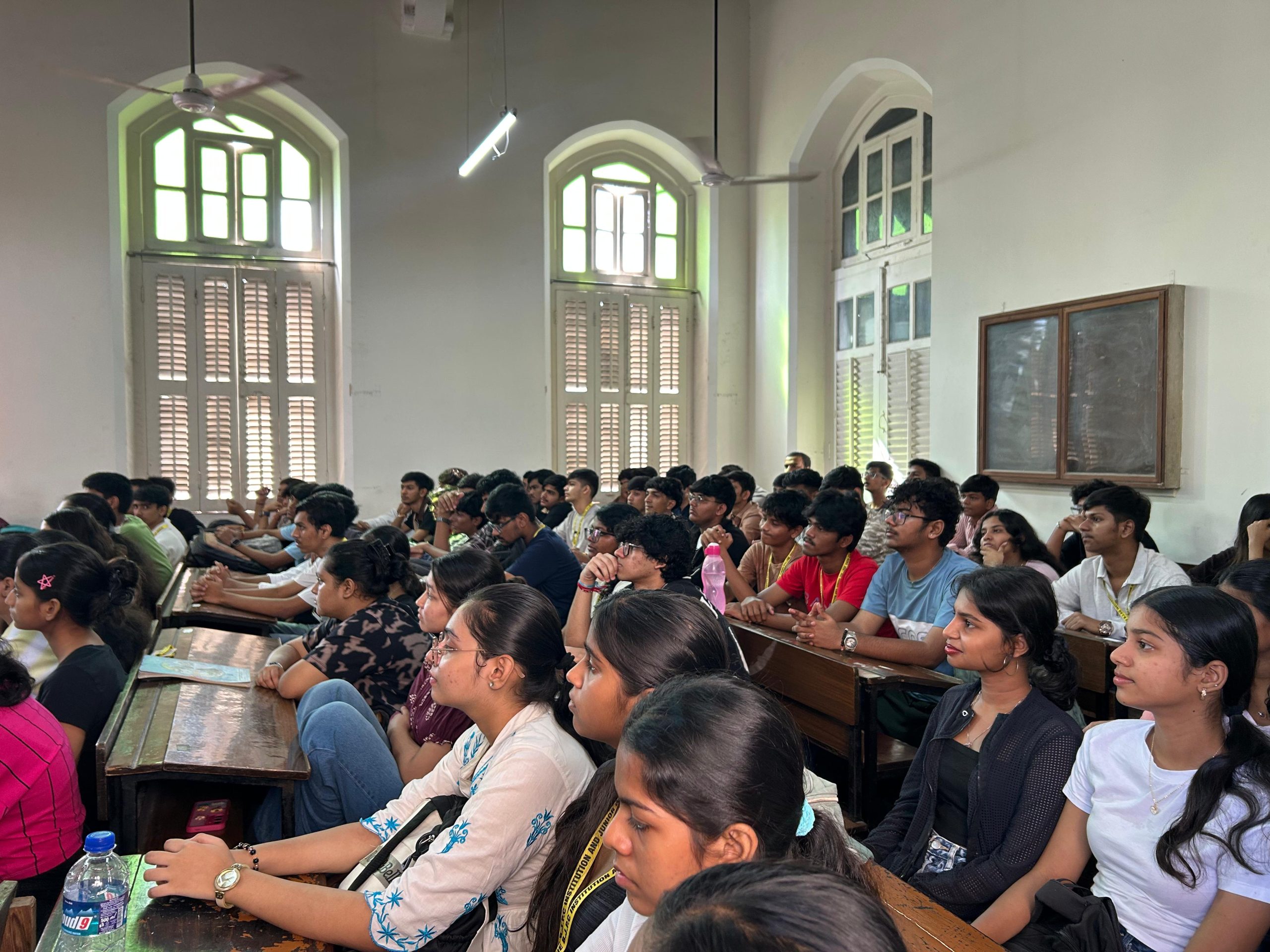
Good over evil is a message every child learns early. But what does it actually look like in a classroom? There are no dramatic battles. No obvious heroes and villains. No single moment where good simply defeats evil.
Instead, there are small choices.
A student deciding whether to include someone who is sitting alone.
Choosing to admit a mistake instead of blaming someone else.
Speaking up when something feels unfair.
Resisting the temptation to copy an answer.
Helping a classmate without being asked.
These moments may never make it into a school report or receive an award. Yet they say a great deal about the person a student is becoming.
That is where the familiar message of Dussehra becomes interesting for us as educators.
Dussehra Good Over Evil: Why It's Not a Simple Choice
Children often first encounter Dussehra through a simple idea: good triumphs over evil. It is an important starting point, but growing up teaches us that real life is rarely that straightforward. People make mistakes. Situations are complicated. A choice that seems easy from the outside may not feel easy to the person making it. So education cannot only be about telling students what is right and what is wrong. It also has to help them think about their choices.
The Everyday Choices That Matter
Inside a classroom, character is built through ordinary moments.
How do you respond when you disagree with a friend?
What do you do when you know nobody is watching?
Do you take responsibility when something goes wrong?
Can you stand by what is right even when the easier option is to follow everyone else?
These are not questions that can always be answered from a textbook. They are questions students encounter through friendships, group activities, competitions, classroom discussions and everyday interactions. And each choice becomes an opportunity to learn.
Teaching Judgement, Not Just Rules
As educators, one of our responsibilities is not simply to give students a list of rules to follow. It is to help them understand why those rules and values matter. A student who follows a rule only because they are afraid of punishment may behave differently when nobody is watching.
A student who understands fairness, honesty and responsibility begins to make those values their own. That difference matters. Because eventually, students leave the classroom and enter a world where someone will not always be there to tell them what the right choice is. They need to be able to think for themselves.
Where Dussehra's Good Over Evil Meets Education
Perhaps this is where the message of Dussehra becomes relevant to modern education. The idea of good overcoming evil does not have to remain a story we revisit once a year. It can become a way of thinking about the choices we make every day. Choosing kindness over exclusion. Honesty over convenience. Courage over silence. Responsibility over excuses. Not every right choice is dramatic. Often, nobody even notices it. But that does not make it less important.
What We Hope Students Carry Forward
At The BJPC Institution, education is about more than academic achievement. We want students to develop the ability to question, reflect, make responsible choices and understand the impact of their actions. That process takes time. It happens through conversations, experiences, mistakes, encouragement and the many small decisions students make while growing up.
Dussehra gives us a useful moment to reflect on that journey. The real victory of good may not always be a grand one. Sometimes, it is simply a student choosing to do the right thing when the easier choice is right in front of them. And perhaps that is one of the most meaningful victories a classroom can witness