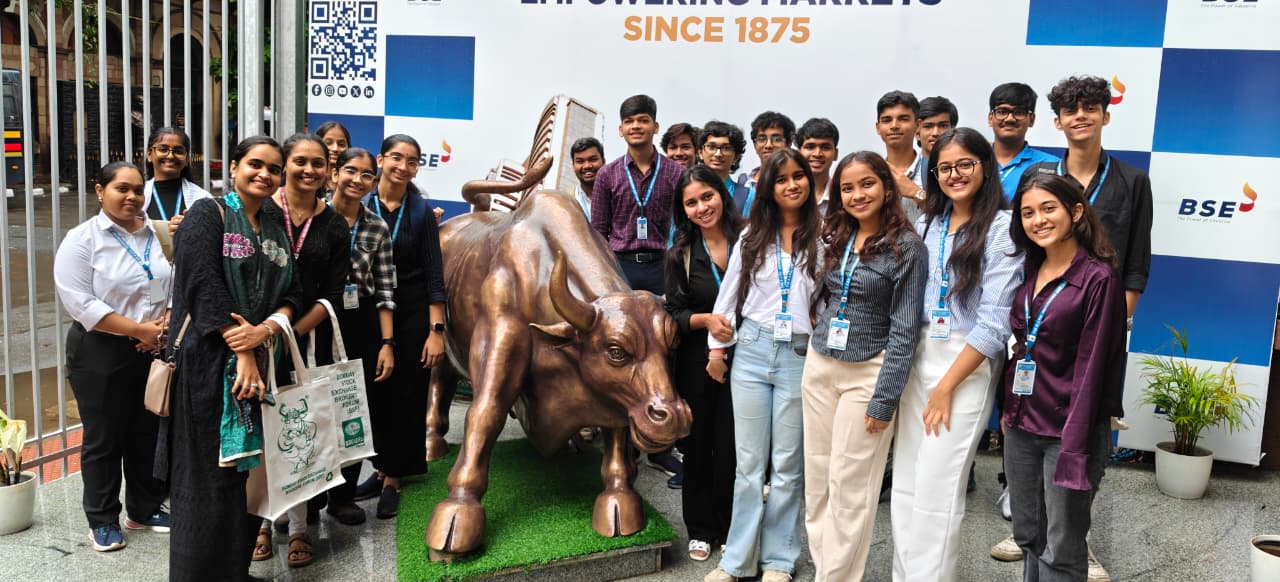
A BSE visit for Commerce students is one of the most valuable learning experiences beyond the classroom. As Commerce faculty members, we often see students understand financial concepts in theory but struggle to connect them with the real world. A visit to the Bombay Stock Exchange (BSE) helps bridge that gap by showing how financial markets operate in practice.
Beyond the Textbook
In the classroom, students learn concepts such as:

Equity shares

Stock market operations

Market indices

Investment strategies

Corporate finance
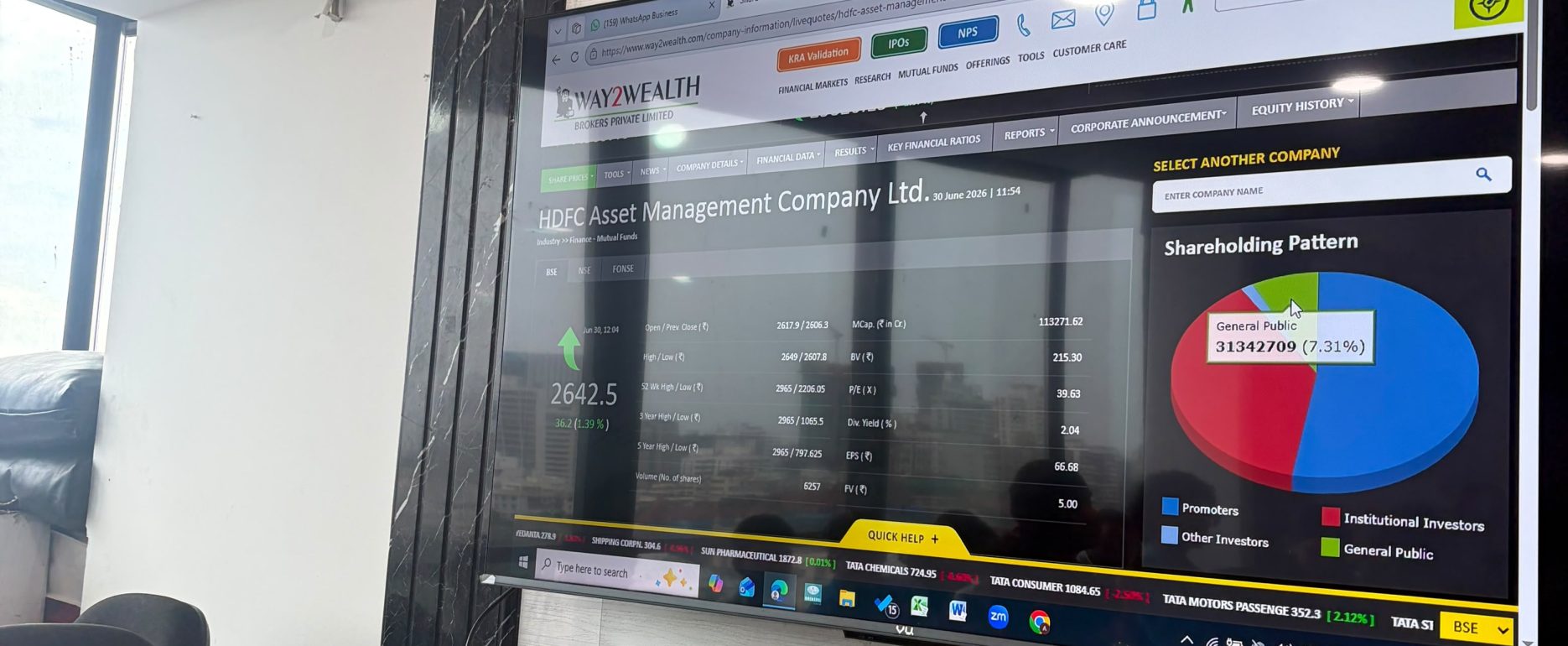
These topics form an important part of the Commerce curriculum. However, many students struggle to visualize how these concepts operate in the real world.
A visit to the Bombay Stock Exchange (BSE) gives students the opportunity to experience how the concepts they study in the classroom are applied in the real world. It also offers a closer look at one of the institutions that has played a central role in India’s financial journey.
What Students Observe During the Visit
A BSE visit is not just about seeing a famous building.
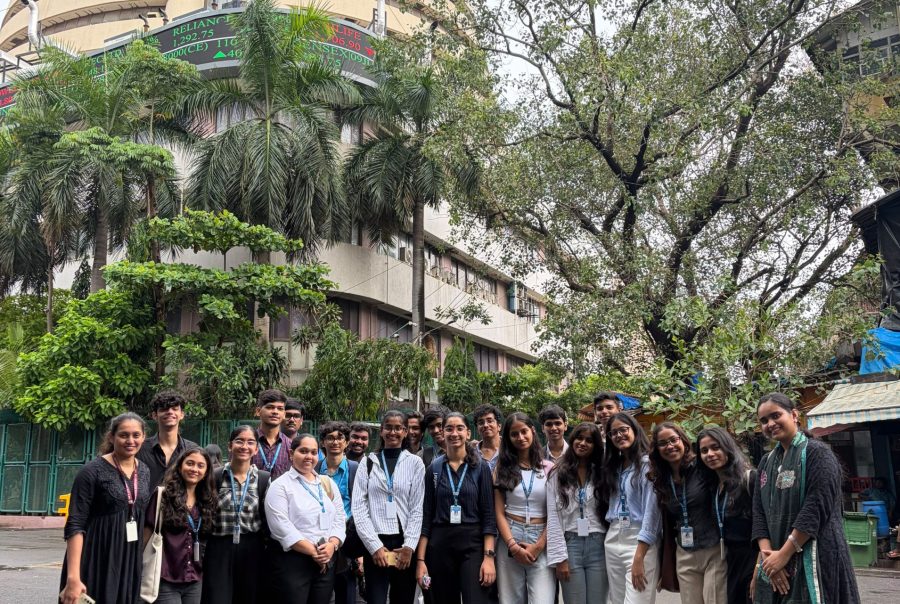
During the visit, students gain valuable insights into:
How Stock Markets Operate
They learn how companies raise capital, how shares are traded, and how investors participate in the market.
The Role of Technology
Many students are surprised to discover how modern stock exchanges rely heavily on technology, data systems, and real-time communication.
The Scale of Financial Activity
Understanding the volume of transactions and the number of companies connected to the market gives students a new appreciation for India’s economic ecosystem.
Career Opportunities
A visit also exposes students to careers beyond traditional accounting and banking roles, including:
- Financial analysis
- Investment research
- Wealth management
- Capital markets
- Financial technology (FinTech)
- Risk management
Learning That Stays With Students
Students remember practical experiences far longer than lectures.
When students physically visit an institution connected to their studies, concepts become more meaningful. Questions emerge naturally, curiosity levels increase and classroom discussions become richer. after educational visits, students often return with a stronger understanding of topics they had previously found abstract or difficult, industry exposure, and practical experiences. This is exactly why a BSE visit for Commerce students has such a lasting impact on how they engage with the subject.
Building Financial Awareness
Not every Commerce student will pursue a career in finance. However, every student will make financial decisions throughout life. understanding how markets work helps students develop:
Financial literacy
Critical thinking
Economic awareness
Analytical skills
A broader perspective on business and investments
These are valuable life skills regardless of career choice. These practical insights also help students approach future academic and career decisions with greater confidence.
How The BJPC Institution Provides First-Hand Field Experience to Its Students
At The BJPC Institution, we believe students gain a deeper understanding of Commerce when they experience how classroom concepts are applied in the real world.
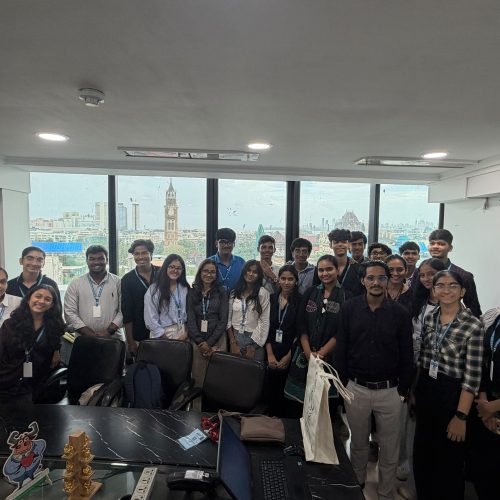
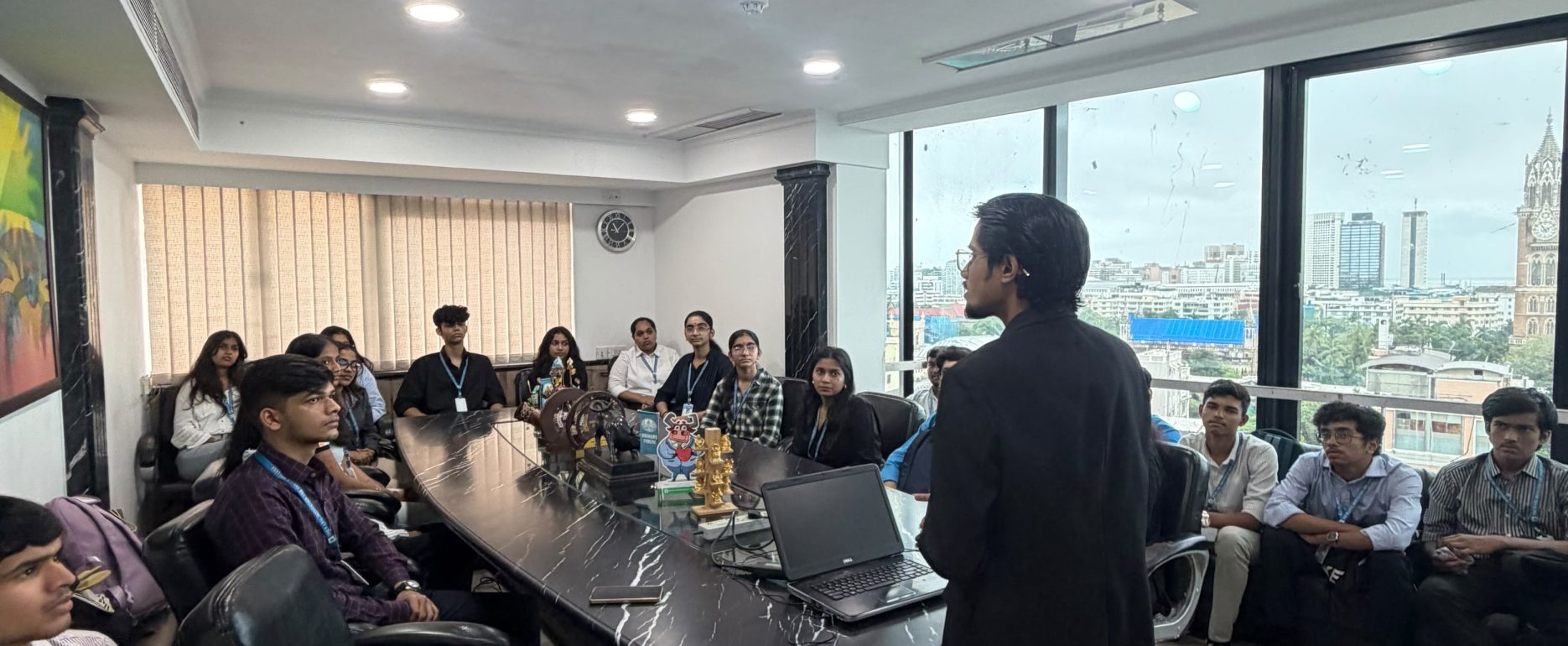
Putting this philosophy into practice, our Commerce students visited the Bombay Stock Exchange (BSE) on 30th June 2026 for an educational field visit. During the visit, they explored one of India’s leading financial institutions and attended an interactive session conducted by Mr. Yunus Qureshi, Head of Finance and Operations at the Bombay Stock Exchange.
The session introduced students to practical aspects of the financial world, including GDP, inflation, Demat accounts, mutual funds, foreign direct investment (FDI), and the fundamentals of investing. By connecting classroom concepts with real market practices, the visit gave students valuable industry exposure and a clearer understanding of how financial systems operate.
Experiential learning opportunities like these reflect The BJPC Institution’s commitment to combining academic excellence with practical exposure, helping students prepare for higher education, future careers, and informed decision-making in an increasingly dynamic financial world.