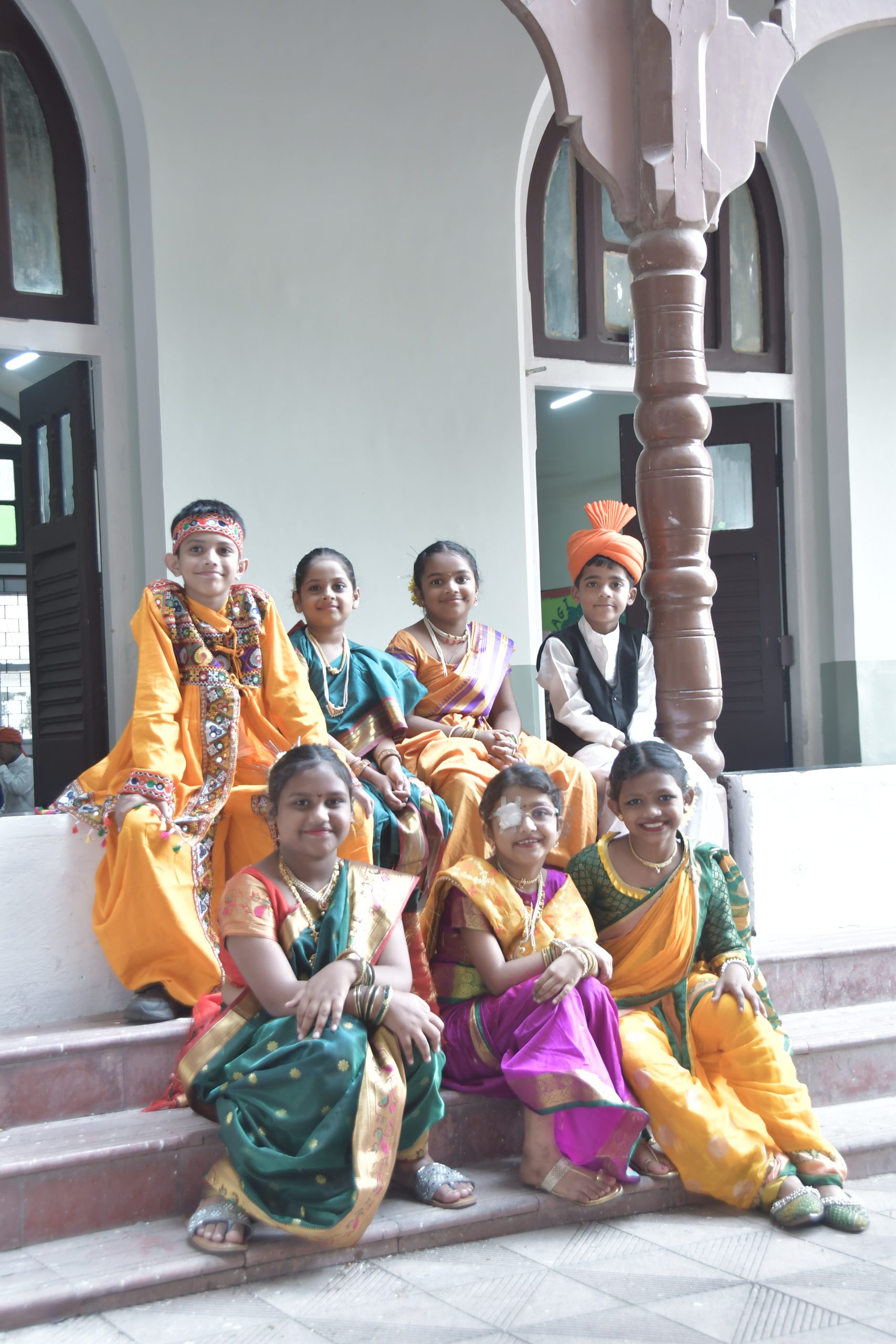
For a young child, Ganesh Chaturthi is much more than just a date on the calendar. It is filled with color, music, decorations, sweets, stories, and the thrill of witnessing unique happenings all around them. They may notice a Ganesha idol at home, listen to familiar stories from their grandparents, or observe celebrations in the neighborhood. For a toddler, all of this is utterly fascinating. These Ganesh Chaturthi activities can transform the excitement of the festival into meaningful learning experiences for young children.
And that curiosity can become a wonderful opportunity to learn. Festivals naturally bring together things that young children learn best through hands-on experiences, stories, conversations, creativity and interaction. Instead of treating Ganesh Chaturthi simply as a holiday from the classroom, it can become a way of introducing children to new ideas in a way that feels enjoyable and meaningful.
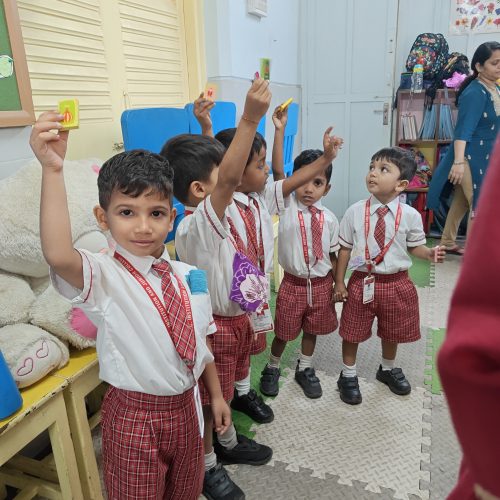
Ganesh Chaturthi Activities: Learning Through Little Hands
Give a toddler a piece of clay and something interesting happens almost immediately. They squeeze it, roll it, press it, and reshape it. They may not create a perfect Ganesha, but that is not really the point. Clay modelling is one of the most enjoyable Ganesh Chaturthi Activities for young children because it allows them to explore while developing their fine motor skills.
The simple actions of pinching, pressing, and shaping clay help strengthen the small muscles in their fingers and hands skills that later support activities such as holding a pencil, drawing and writing. There is another lesson hidden in the activity too: children learn that they can create something with their own hands.
A Story Can Open a New World
Young children love stories, especially when the story has a familiar face at its centre. A simple, age-appropriate story about Lord Ganesha can introduce children to the festival while encouraging them to listen, observe and ask questions. The goal is not to expect toddlers to remember every detail of a traditional story. It is about creating a moment of curiosity.
Why does Ganesha have an elephant’s head? What does the festival celebrate? Why do people come together during Ganesh Chaturthi? Even a simple question can start a conversation. Storytelling is another meaningful part of Ganesh Chaturthi Activities, helping children explore the festival through simple stories, questions and conversations.
A Festival Can Teach New Beginnings
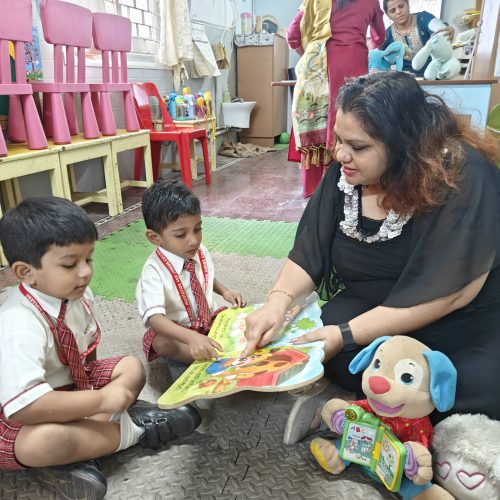
Ganesh Chaturthi also offers a simple idea that children can understand: new beginnings. For a young child, this can be connected to everyday experiences. Starting a new activity, making a new friend, trying something again after making a mistake or learning something for the first time are all small beginnings. A teacher can introduce these ideas through simple conversations, stories and classroom activities without making the lesson complicated. The child may not remember the exact words later, but they begin to understand that trying something new can be exciting rather than frightening.
Ganesh Chaturthi Activities: Learning to Celebrate Together
Festivals also teach something that cannot always be learned from a book: how to be part of a community. When children create something together, listen to a story as a group or participate in a celebration, they begin to practise sharing, waiting for their turn, listening to others and appreciating different experiences. These may seem like small social skills, but for toddlers, they are important steps towards becoming comfortable in a group. Ganesh Chaturthi therefore becomes more than an activity. It becomes an opportunity to help children understand that celebrations can bring people together.
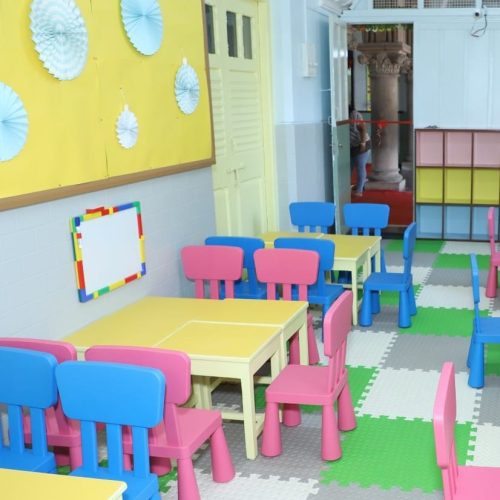
Ganesh Chaturthi Activities in the Classroom: Celebrating Culture, Creativity and Learning
This is the thinking behind how Kids Kastle brings festivals into early childhood learning.
Rather than letting Ganesh Chaturthi pass as simply another holiday, the classroom can use the excitement surrounding the festival to create meaningful Ganesh Chaturthi Activities that children can see, touch, hear and participate in.
Through clay modelling, storytelling around Lord Ganesha and simple conversations about new beginnings and community, children learn while they celebrate. Fine motor skills, language development, creativity and social awareness become part of an experience that feels natural and meaningful to them.
For parents, this is a helpful reminder that learning doesn’t always take the form of sitting at a desk with a worksheet. Sometimes, it might look like a toddler holding a piece of clay, listening to a story or excitedly showing a friend what they have created. And often, the most powerful learning moments begin with something as simple as a celebration.